
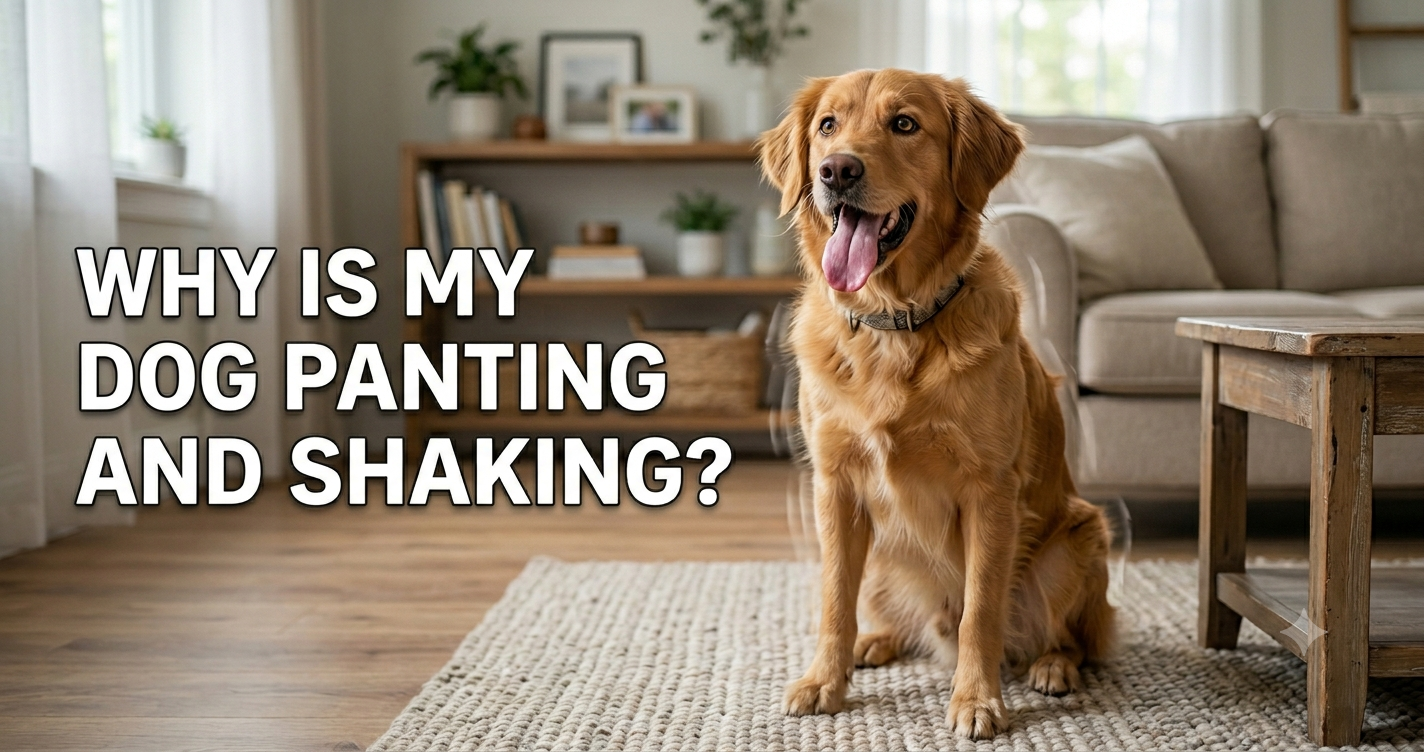
If your dog is panting and shaking, it usually means their body is reacting to stress, pain, fear, overheating, stomach distress, poisoning, or a hidden illness. The cause depends on what other symptoms appear at the same time. If your dog looks weak, refuses food, vomits, or cannot settle down, it should be checked quickly.
Panting and shaking together are not random. They usually tell you something specific.
Why do dogs tremble and pants together? Causes and what it means
When a dog trembles and pants, it usually means the body is under some form of stress such as pain, fear, overheating, illness, or internal discomfort. This combination is important because panting reflects how the dog is trying to regulate breathing and temperature, while trembling shows nervous system or muscle response. When both appear together, it often indicates that something more than normal excitement is happening, such as hidden pain, fever, poisoning, or anxiety. The exact meaning depends on other signs like appetite changes, vomiting, weakness, or abnormal behavior, which help identify whether the condition is mild or serious.
What Does It Mean When a dog trembles and pants?
Panting is how dogs release heat.
Shaking is different.
Shaking often means the nervous system is activated.
When both happen together, the body may be dealing with:
- physical pain
- emotional stress
- internal discomfort
- temperature imbalance
- toxic reaction
Think of it like your dog’s warning system.
The real clue is what else is happening with it.
Check These Signs First Before Anything Else
Before guessing the cause, look at:
Body temperature
Hot body? Warm ears? Red tongue?
This may point to overheating.
Appetite
Still eating normally?
Loss of appetite changes everything.
Movement
Walking normally or stiff?
Pain becomes more likely.
Gums
Pink, pale, or blue?
Blue gums can mean oxygen trouble.
Vomiting or diarrhea
This can point toward poisoning or stomach emergencies.
These clues narrow the cause fast.
1. Hidden Pain Is Often the Biggest Cause
Pain is one of the most missed reasons.
A dog may shake and pant even when the injury is not obvious.
Examples:
- pulled muscle
- back pain
- stomach pain
- tooth pain
- joint pain
A dog with back pain may lie down, keep changing position, and breathe fast because they cannot get comfortable.
Pain changes behavior before anything else.
2. Stomach Problems Can Trigger Both Symptoms
This gets ignored a lot.
Gas pain, bloating, constipation, or nausea can cause:
- panting
- shaking
- pacing
- stretching
- licking lips
If your dog keeps looking at their stomach or tries to vomit but cannot, that can be serious.
Bloat can become life-threatening.
3. Stress Looks Different Than Pain
Stress shaking is usually lighter.
Pain shaking feels heavier.
Stress signs:
- whale eyes
- hiding
- pacing
- yawning
- licking air
For example:
A dog hearing thunder may shake, pant, and refuse to leave your side.
This is very different from pain behavior.
If your dog shows this often, read why is my dog panting while resting.
4. Poisoning Can Start Fast
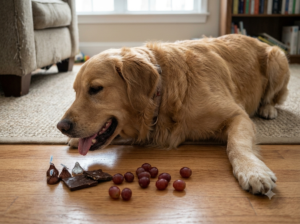
One dangerous sign:
sudden panting + sudden trembling.
Especially if your dog ate:
- chocolate
- xylitol
- grapes
- onions
- cleaning chemicals
Poison reactions often start with:
restlessness first
then panting
then shaking
then vomiting
This can escalate fast.
5. Low Blood Sugar Can Cause Body Tremors
Low glucose affects the brain.
This often causes:
- shaking
- weakness
- confusion
- panting
- wobbling
Very common in:
small dogs
young puppies
diabetic dogs
This is why diabetic symptoms matter.
Read Signs and Symptoms of Diabetes in Dogs.
6. Internal Fever Can Cause Heat Without Weather
Not all heat comes from outside.
An infection can raise internal body temperature.
This creates:
heavy breathing
body trembling
warm paws
warm ears
fatigue
A feverish dog often feels “off.”
Trust that instinct.
7. Breathing Problems Can Create Panic
If oxygen drops, dogs panic.
That panic creates shaking.
Common breathing causes:
- airway blockage
- collapsed trachea
- asthma-like flare
- lung infection
Watch:
neck stretching
open-mouth breathing
blue tongue
That needs immediate help.
8. Senior Dogs Can Shake From Weakness
Older dogs process pain differently.
They may not cry.
Instead they:
pant
shake
stare
move slowly
avoid stairs
Joint pain and nerve pain are common.
9. Some Dogs Shake Before a Seizure
This is less common but important.
Before a seizure some dogs show:
- heavy panting
- trembling
- staring
- confusion
- clinginess
After a seizure, panting often stays strong for a while.
When Is It an Emergency?
Act fast if you see:
- swollen belly
- vomiting
- collapse
- blue gums
- pale gums
- severe weakness
- unable to stand
- breathing struggle
These are not “wait and see” symptoms.
According to VCA Animal Hospitals, sudden breathing changes with weakness or trembling should be evaluated quickly.
What Can You Do Right Now?
Do these:
Keep the room quiet
Reduce panic.
Offer water
Do not force it.
Check the gums
Healthy gums should be pink.
Feel the belly
Hard belly = urgent.
Watch the breathing rate
Fast breathing while resting matters.
The Merck Veterinary Manual explains that heatstroke, poisoning, and respiratory distress can worsen very quickly.
FAQs
Q1) Why is my dog panting and shaking but acting normal?
Sometimes stress, mild pain, or temperature changes can cause it.
Q2) Can stomach pain cause panting and shaking?
Yes. Gas pain and bloating commonly cause both.
Q3) Should I feed my dog during shaking?
Only if they are alert and not vomiting.
Q4) Can dehydration cause this?
Yes. Dehydration can increase breathing and weakness.
Q5) Can dogs shake from fear only?
Yes, especially during loud sounds or stressful events.
Final Thoughts
Panting and shaking together are not always dangerous but they are always important.
The biggest mistake owners make is assuming it will pass.
Sometimes it does.
Sometimes it gets worse fast.
Watch the pattern, look for other clues, and trust what your dog’s body is showing you.
Written by Muhammad Abdullah | Zoologist & Founder of YourPetSaver

Zoologist, animal researcher, and founder of YourPetSaver.
1 thought on “Why Is My Dog Panting and Shaking? 9 Serious Reasons”