
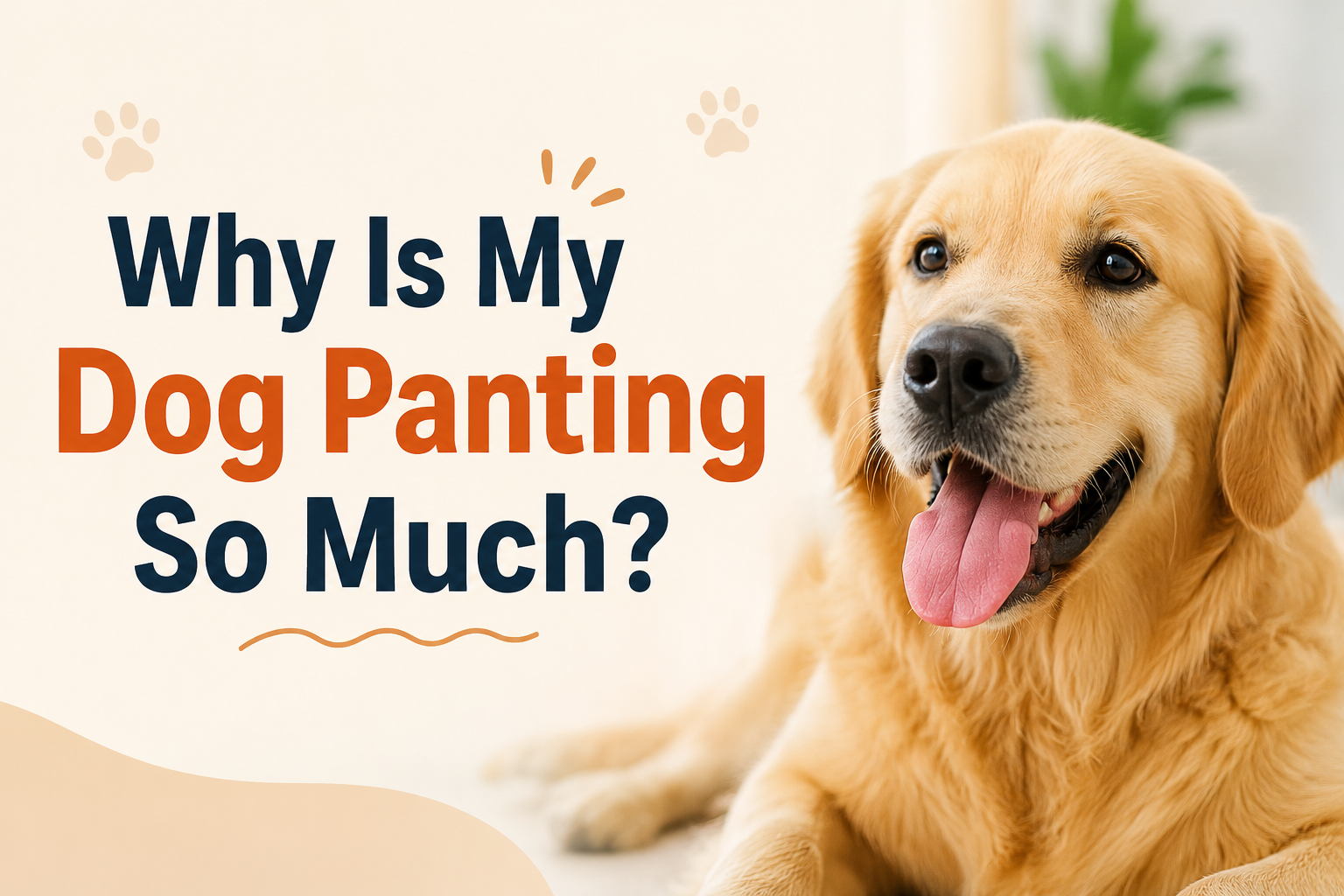
If your dog is panting more than usual, it could be due to heat, exercise, excitement, stress, or an underlying health condition. While panting is often normal, excessive or sudden panting may indicate a medical problem. If your dog is panting heavily without an obvious reason or is having trouble breathing, contact your veterinarian.
Why Do Dogs Pant?
Dogs do not sweat the way humans do. Instead, they pant to help regulate their body temperature. Panting allows heat to escape from the body, helping dogs cool down when they become too warm.
When Is Panting Normal?
Panting After Exercise
When a dog runs, plays, or goes for a walk, its body temperature rises. Panting helps cool the body and is completely normal after physical activity.
Panting in Hot Weather
Dogs often pant more during warm weather to prevent overheating and keep their body temperature under control.
Panting Due to Excitement
A dog may pant when feeling excited, happy, or eager, especially when seeing a favorite person or preparing for an enjoyable activity.
Why Is My Dog Panting So Much?
Heat or Overheating
Excessive heat can cause a dog to overheat. If not treated quickly, overheating may lead to heatstroke, which can be life-threatening.
Anxiety or Stress
Fear, anxiety, loud noises, travel, or unfamiliar situations can trigger excessive panting in dogs.
Pain or Discomfort
Dogs often pant more when they are experiencing pain, injury, or physical discomfort.
Side Effects of Medication
Certain medications may cause increased panting as a side effect.
Obesity and Excess Weight
Overweight dogs may have difficulty breathing efficiently, which can lead to heavier panting.
Breed-Related Breathing Problems
Flat-faced breeds such as Pugs, Bulldogs, and Boston Terriers are more likely to experience breathing difficulties and excessive panting.
Heart Disease
Heart problems can reduce oxygen delivery throughout the body, causing dogs to pant more than normal.
Lung or Respiratory Problems
Conditions affecting the lungs or airways can make breathing difficult and increase panting.
Cushing’s Disease
Cushing’s disease is a hormonal disorder that may cause excessive panting, increased thirst, and increased appetite.
Other Underlying Medical Conditions
Fever, infections, and various health conditions may also contribute to excessive panting.
Dog Panting at Night
If your dog pants excessively at night, it may be due to heat, stress, pain, or an underlying medical condition. Frequent nighttime panting should be discussed with a veterinarian.
Dog Panting While Resting
Heavy panting while resting may indicate a health issue, especially if there is no obvious reason such as heat or recent exercise.
Dog Panting and Pacing
If your dog is panting while constantly pacing around, it could be a sign of anxiety, pain, discomfort, or restlessness.
Normal vs. Abnormal Panting
Signs of Normal Panting
- Panting after exercise
- Panting in warm weather
- Panting during excitement
- Returning to normal after a short time
Signs of Abnormal Panting
- Excessive panting without a clear cause
- Panting while resting
- Difficulty breathing
- Blue, pale, or gray gums
- Weakness or collapse
When Should I Worry About My Dog Panting?
If your dog suddenly starts panting heavily, appears weak, or has difficulty breathing, you should contact your veterinarian immediately.
Warning Signs That Require Emergency Care
- Severe breathing difficulties
- Collapse or loss of consciousness
- Blue or pale gums
- Extreme weakness
- Signs of heatstroke
How to Help a Panting Dog at Home
Move Your Dog to a Cool Area
Take your dog to a cool, shaded, and well-ventilated area.
Offer Fresh Water
Provide clean, fresh water and encourage your dog to drink.
Reduce Stress and Excitement
Keep your dog calm and away from stressful situations whenever possible.
Monitor Breathing and Behavior
Watch your dog’s breathing and overall condition. If symptoms do not improve, seek veterinary advice.
How Veterinarians Diagnose Excessive Panting
Veterinarians may perform a physical examination and recommend diagnostic tests such as blood work, X-rays, ultrasound scans, or heart and lung evaluations to identify the cause.
How to Prevent Excessive Panting in Dogs
- Keep your dog cool during hot weather
- Always provide access to fresh water
- Maintain a healthy weight
- Ensure regular exercise
- Schedule routine veterinary checkups
Frequently Asked Questions
Q1) Why is my dog panting so much while resting?
Panting while resting may be caused by pain, anxiety, overheating, or an underlying medical condition.
Q2) Why is my dog panting at night?
Night time panting can result from heat, stress, discomfort, or certain health problems.
Q3) Is heavy panting always a sign of illness?
No. Panting after exercise, during excitement, or in warm weather is often completely normal.
Q4) Can anxiety cause panting in dogs?
Yes. Anxiety and stress are common causes of excessive panting in dogs.
Q5) When should I take my dog to the vet for panting?
You should contact your veterinarian if panting is excessive, starts suddenly, occurs while resting, or is accompanied by breathing difficulties or other unusual symptoms.
Final Thoughts
Panting is a normal behavior for dogs, but excessive panting should not be ignored. Understanding the possible causes can help you determine when panting is harmless and when it may require veterinary attention. If you are concerned about your dog’s breathing, it is always best to seek professional advice.
Dog Breathing Heavy While Sleeping
